
Over the past few decades, significant gains have been made in social justice, gender equality, and inclusion. However, these gains are increasingly under threat. Across the globe and within East Africa, policy rollbacks, online backlash, and even funding cuts among others are steadily eroding progress, resulting in a growing pushback against girls’ education and gender equality. Despite public commitments leaders to eliminate harmful practices such as female genital mutilation (FGM), child marriage, and the launch of national and continental campaigns, a significant gap persists within the girls’ education ecosystem.
Jaslika’s response to Pushing Back on the Pushback centres on advancing gender-transformative approaches that challenge deep-rooted beliefs through evidence, lived experiences through stories of change, and positive deviance. And in the current digital era, this also involves confronting misinformation and disinformation. The strategy seeks to challenge harmful norms through evidence-based dialogue, encourage critical thinking and self-reflection within individuals and communities, create safe and inclusive spaces for open, intergenerational discourse, and amplify stories that humanise data and shift prevailing narratives, contributing to Jaslika’s broader purpose: to break cycles of inequality and injustice across generations.
At a time when progress is being contested, dialogue becomes a powerful tool of resistance. Through initiatives such as intergenerational fireside conversations, Jaslika is not only documenting the past but actively shaping the future—creating spaces where lived experience meets emerging perspectives, and where resistance is transformed into renewed commitment. The Fourth World Conference on Women marked a transformative moment in the global pursuit of gender equality. It culminated in the adoption of a landmark framework that continues to shape advocacy, policy, and practice across the world. Thirty years later, the question is no longer just how far we’ve come—but how much we risk losing.
To commemorate this milestone, Jaslika, in collaboration with Women Educational Researchers of Kenya (WERK), hosted a two-part Beijing+30 Fireside Chat Series, creating space not only for reflection, but for open dialogue about resistance, regression, and renewal.
Key Takeaways from the Beijing+30 Fireside Chats Series
The Fourth World Conference on Women in Beijing (FWCW) marked a transformative moment for gender equality, culminating in the adoption of the Beijing Declaration and Platform for Action (BPfA). This landmark document laid out a comprehensive framework for achieving women's empowerment across 12 critical areas of concern. To commemorate the 30th anniversary of (BPfA), and to reflect on both the progress made since 1995 and the path forward, Jaslika, in collaboration with the WERK hosted a two-part Beijing+30 Fireside Chat Series.
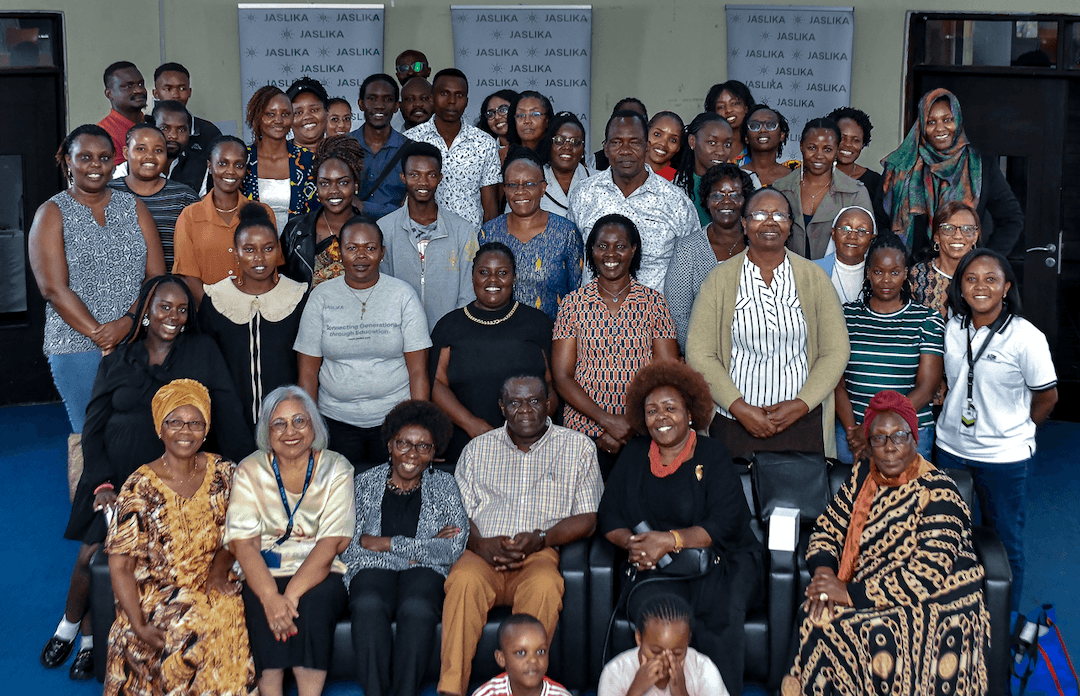
Participants and panelists from Jaslika's Beijing +30 and Beyond Fireside Chat
The first Fireside Chat: “Beijing +30 and Beyond”, session spotlighted gender equality challenges and opportunities and Fireside Chat 2 “Beijing+30 and Beyond: “Charting the Course for the Next Generation” created an intergenerational space to reflect on Kenya’s progress on gender equality.
The two Fireside Chats, held on October 11th and November 15th, 2025, brought together intergenerational moderators, panellists and participants at the Hekima Auditorium within the Kenya National Library Service (KNLS) Headquarters in Upperhill, Nairobi, to learn about the journey to Beijing and share hopes for the next ‘Beijing’, 30 years after the transformative Beijing Declaration and Platform for Action (BPfA). The conversations unfolded, participants were taken on a journey across generations, first through reflections by the pioneers and veteran gender equality leaders, and then through the voices of younger Gen Z and millennial activists and advocates working in the gender equality space beyond Beijing+30.
A key factor that made these conversations particularly powerful was the deliberate intergenerational design: younger voices engaging with historical legacies in fireside chat #1 and older generations moderating younger panelists during the fireside chat#2. Veteran advocates and activists in the women’s movement sat alongside Gen Z and millennial advocates, listening to each other, questioning, learning, and imagining forward together.
Here are the key takeaways that emerged:
1. Gender equality has always been a collective project
One of the most persistent myths and misconceptions about gender equality work is that it excludes men. The Fireside chats challenged this misconception head-on. Panelists in Fireside Chat #1 highlighted that men have been part of the journey from the very beginning, attending and participating in landmark meetings such as the Nairobi Forward-Looking Strategies for the Advancement of Women (1985), the African Regional Conference on Women in Dakar (1994), and the Beijing Conference on Women (1995). Men have long been part of gender equality advocacy, as allies, educators, activists, and partners.
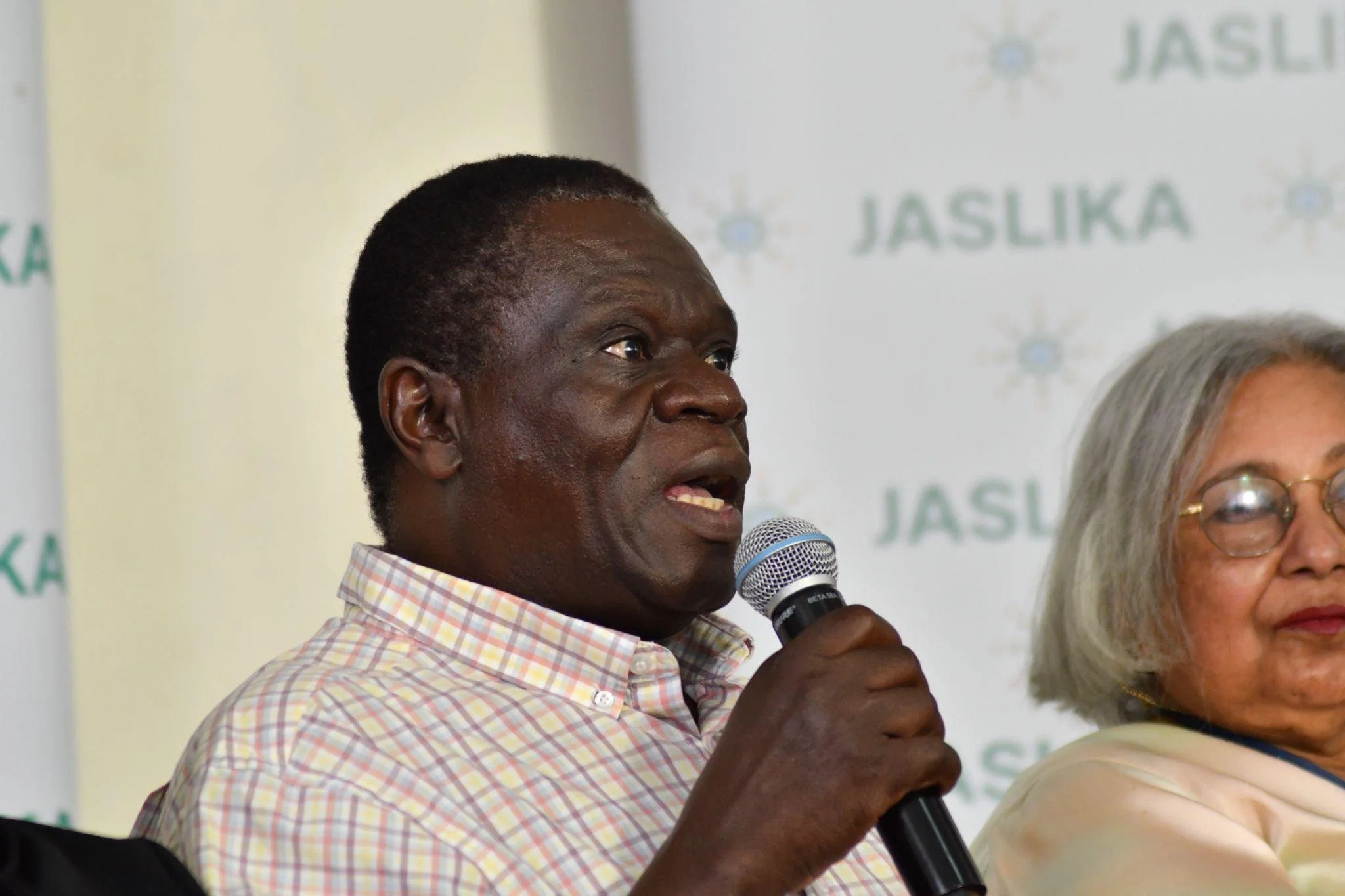
Dr. Okumba Miruka, himself a gender equality advocate and having been a member of the first ever gender training team formed by the African Women’s Communication and Development Network (FEMNET) in 1992, reflected during the first Fireside Chat:
“When we went to Dakar, and another conference we attended in Washington for an award conference, we stood out because there were men in our group. I remember that in that time that we were in, there was a lot of interest because men were here and a man was presenting on this kind of stuff [gender and gender equality].
Ms Joyce Umbima, Executive Director of the Kenya Alliance for the Advancement of Children (KAACR) in 1995, also fondly remembered Dr Okumba, “as a man ahead of his time” among the men who displayed posters on their cars. She shared how in the early 90s, advocates for women’s rights sought and found men willing to create safe spaces and display posters challenging patriarchal norms with messages such as “A man ahead of his time supported women’s rights, and the women’s movement” and “Real men support women.”
2. Inclusion moves beyond binaries
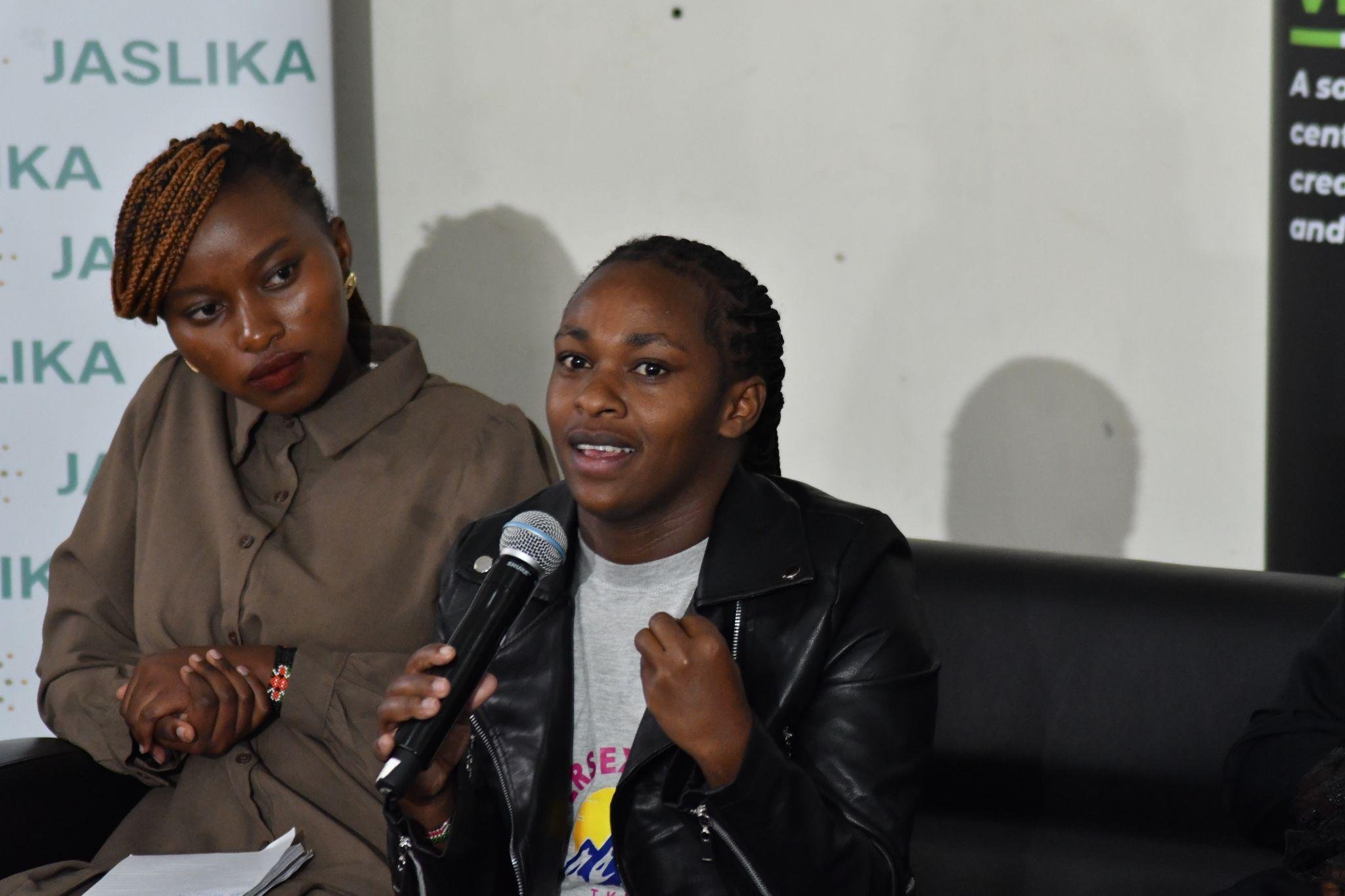
In the second Fireside Chat, inclusion took center stage, framed around creating safe spaces that go beyond participation to ensure meaningful involvement for all. The discussions emphasised reasonable accommodation for the unique needs of minority groups, legal recognition and documentation, listening, creating awareness and the importance of including diverse voices in decision-making and policy spaces. Mercy Mutheu Monica, an intersex Rights Holder, Intersex Kenya Education and Advocacy (I.K.E.A) reminded all of us that:
“We are all different in our own way. That’s how nature is, that’s how we are built to be, and that’s who we are.”
In her contribution, she challenged gender advocacy to move beyond the binary of framing projects, initiatives, and conversations on “man” and a “woman” and to intentionally recognise intersex persons and other marginalised persons whose needs are often overlooked both in policy and practice.
3. Progress often brings resistance before acceptance

There is usually resistance in every movement, and the journey toward gender equality has been no different, particularly when gender initiatives begin to disrupt long-standing patriarchal power structures. This reality was explored during an open discussion segment within the Fireside Chats, where both panelists and participants reflected on the pushback that often accompanies gender initiatives.
A key point of discussion was the recurring counter-narrative of “what about boys?”, used in some contexts to question or challenge gender equality work. With this came the caution that advancing such narratives without credible data or evidence can distort the purpose of gender equality work and obscure the structural inequalities that girls and women continue to face.
Yasmin Mohamed (Superb CBO), a panelist during the second Fireside Chat, summed up her perspective on gender equality not as competition or a fight between boys and girls, but as work fundamentally meant to level the playing field in providing access and ensuring that all of us can fully enjoy human rights without fear of exploitation.
4. Storytelling at the heart of advocacy
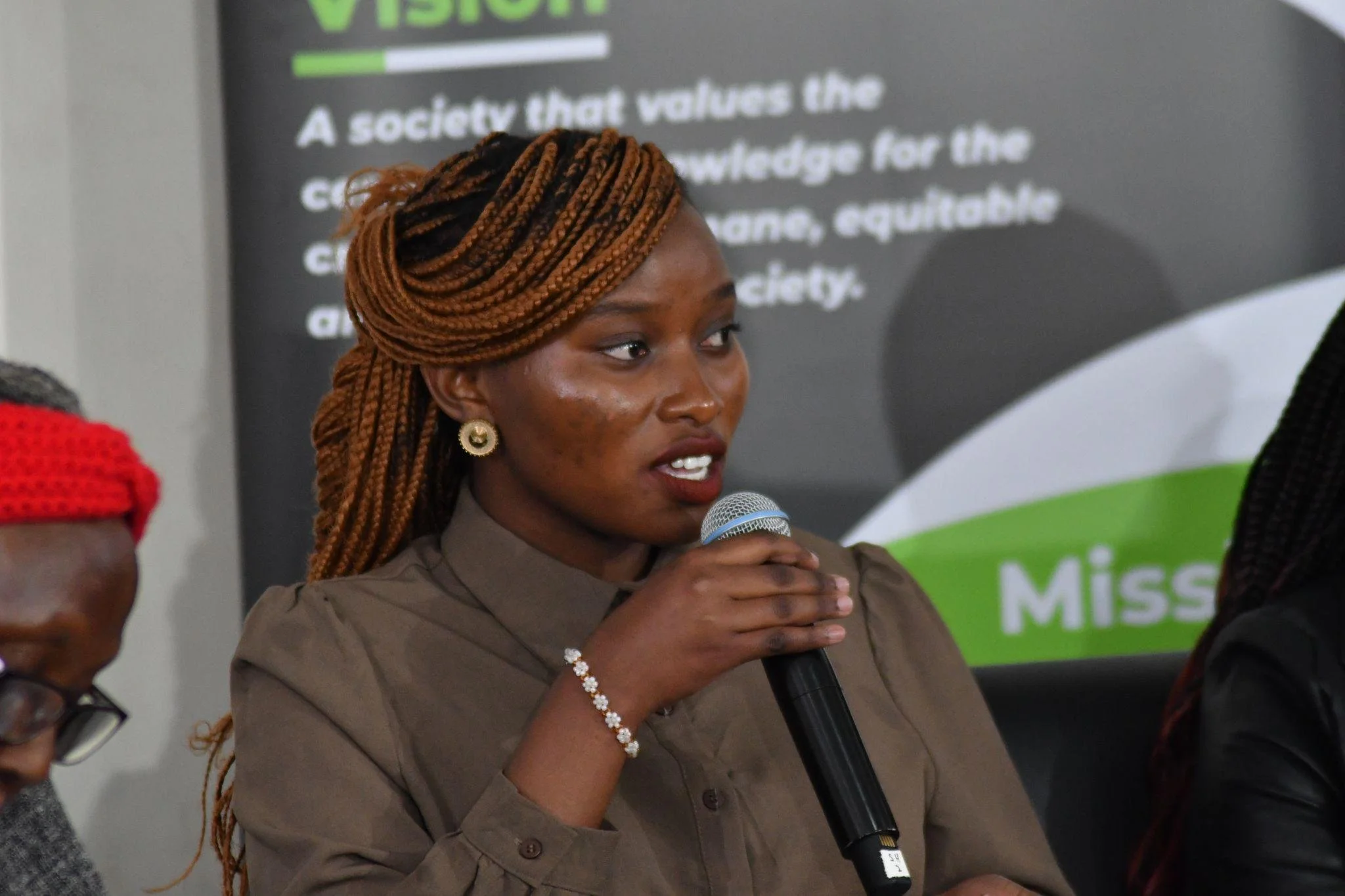
From the “Real Men support women’s rights” poster in the 1990s, to hashtags and the recent use of the purple profiles in solidarity with the campaign against femicide of women in South Africa, the tools we use for advocacy have changed. However, the power of storytelling remains central. Joyce Umbima shared how she brought girls into the women’s movement by using their stories and voices as a strategy, earning herself the nickname “girl child”.
Margret Waithegeni, founder of Her Dignity Her Pride Initiative, discussed the role of digital media as an enabler of gender equality through building and coordinating movements and campaigns, spaces for creating networks and community. She noted how digital platforms now allow us to humanise the data and statistics:
“We can use social media to tell our stories. Many times, we have many reports with many statistics. But how can we use that people understand the level of harm or advocacy of something? It’s putting the human face in those statistics.”
At the same time, she stressed that while digital media provides abundant and limitless opportunities, as echoed by Mary Muito (Jaslika), these benefits can only be realised when online spaces are intentionally made safe, inclusive, and accessible.
5. True empowerment embraces intersectionality
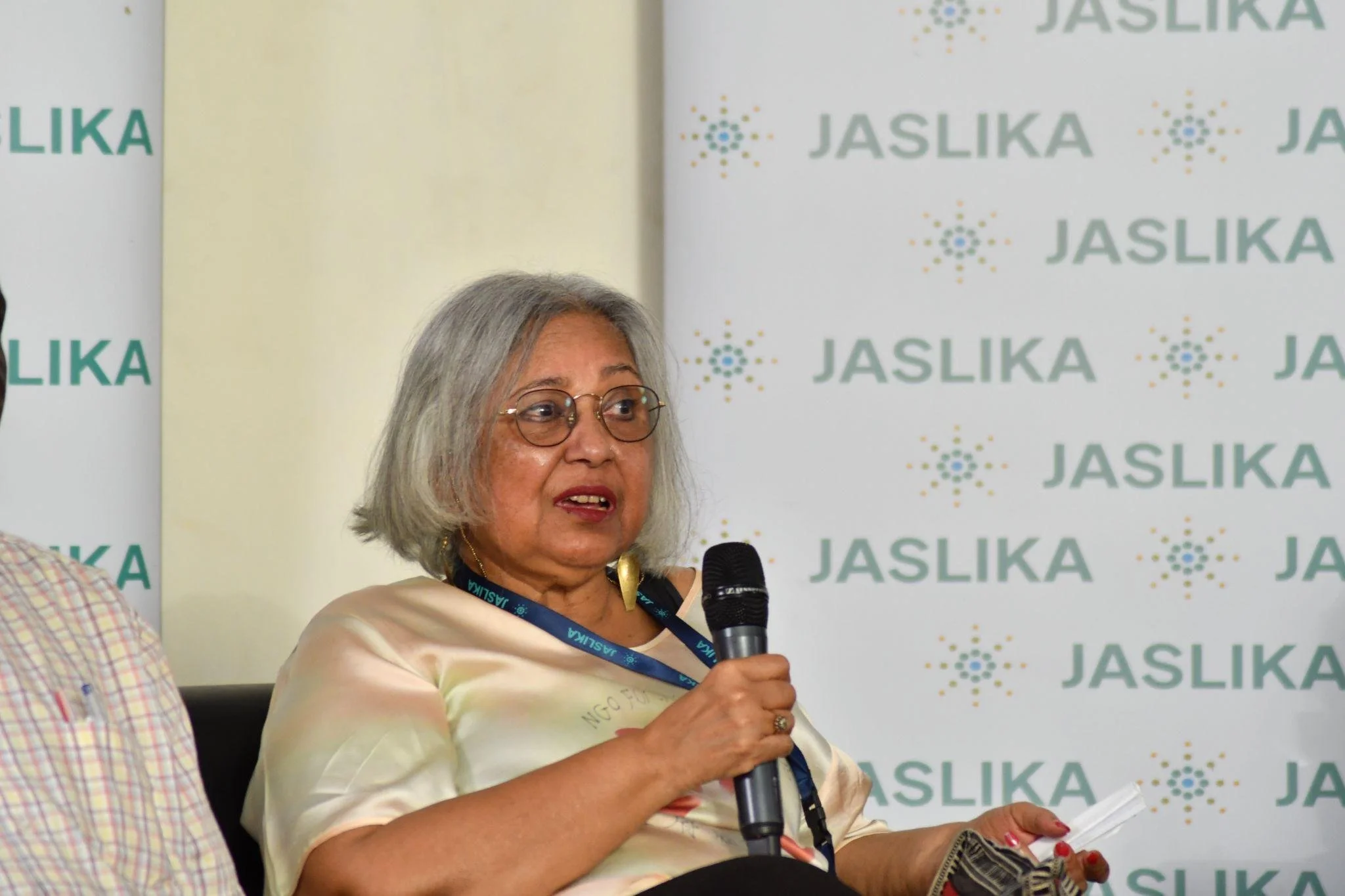
Across both conversations, there was a shared understanding that embracing intersectionality deepens the gender equality movement. Whether the discussion centred on the girl child, intersex rights, or digital exclusion, speakers reminded us that the movement grows stronger when it reflects the diversity of lived realities of the people it seeks to serve.
As Dr. Sheila Wamahiu, Director, CEO, and Founder, Jaslika, reflected during the first fireside chat,
“True empowerment promotes equality. There can be no limits to empowerment. Both men, women, boys, girls, all of us need to be empowered. But empowerment does not mean one sits on the back of another. That’s why intersectional analysis is very important because not everyone has the same privileges and entitlements.”
True empowerment cannot exist at the expense of others, as we were reminded, it is rooted in mutual respect and equality.
6. Intergenerational dialogue for sustaining progress

Perhaps the most striking takeaway from the two sessions was the power of intergenerational dialogue and learning itself. These conversations were not framed as passing the baton but as a shared journey of learning and continuing to work together to sustain the spirit of Beijing on Action for Equality, Development, and Peace.
As attendees, readers, and partners, reflect on these conversations, we keep the words of Joyce Umbima in mind,
“ Beijing simply laid the foundation to start looking at global issues, but it’s not an end in itself. New problems will keep on emerging, and we need to be vigilant on how we protect those human rights of women that have been pronounced.”
Beijing is not behind us; it was only the beginning. Gender equality work continues in every dialogue, every policy, every implemented action, and every generation that carries this vision forward.
Written by: Mary Njeri and Redemptah Magero
Edited & Transcribed by: Zainab Mboga